Essential Plants and Herbs for Boosting Winter Wellness

Winter brings colder temperatures, shorter days, and often a dip in energy and immunity. During this season, many people look for natural ways to stay healthy and maintain their well-being. Plants and herbs have long been used to support the body through the winter months, offering benefits like immune support, soothing respiratory issues, and improving mood. This post explores some of the most effective plants and herbs you can incorporate into your winter wellness routine.
Why Use Plants and Herbs for Winter Wellness?
Plants and herbs contain natural compounds that can help the body fight off infections, reduce inflammation, and provide essential nutrients. Unlike synthetic supplements, many herbs offer a combination of vitamins, antioxidants, and other bioactive substances that work together to support health. Using herbs during winter can:
Strengthen the immune system
Relieve cold and flu symptoms
Improve digestion and metabolism
Enhance mood and reduce stress
Provide warmth and comfort through teas and infusions
Incorporating these natural remedies into your daily routine can be a gentle, effective way to boost your wellness during the colder months.
Top Plants and Herbs to Use in Winter

Echinacea
Echinacea is widely known for its immune-boosting properties. It helps reduce the duration and severity of colds and respiratory infections. You can find echinacea in teas, tinctures, or capsules. Drinking echinacea tea at the first sign of a cold may help your body fight off the virus more effectively.
Ginger
Ginger has warming properties that make it ideal for winter. It supports digestion, reduces inflammation, and helps relieve nausea. Fresh ginger root can be sliced and steeped in hot water to make a soothing tea. Adding honey and lemon enhances its flavor and adds extra immune support.
Elderberry
Elderberry is rich in antioxidants and vitamins that support the immune system. Research suggests elderberry extracts can reduce cold and flu symptoms. Elderberry syrup is a popular way to consume this herb, especially for children and adults looking for a tasty remedy.
Rosemary
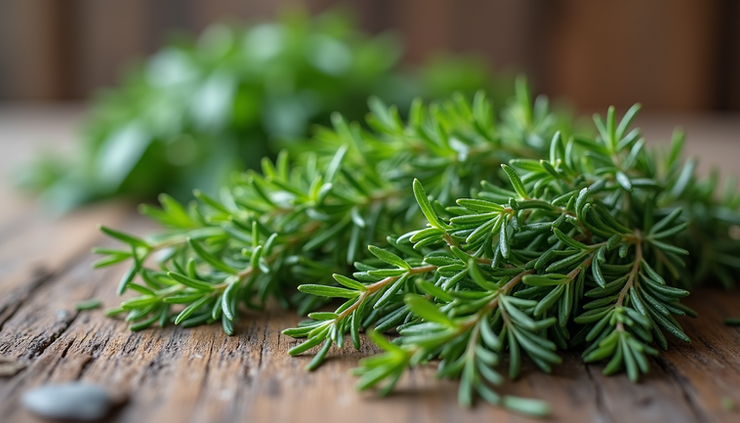
Rosemary is a fragrant herb that can improve circulation and reduce muscle pain. It also has antioxidant properties that protect cells from damage. You can use fresh rosemary in cooking or make a rosemary infusion to enjoy its benefits.
Thyme
Thyme is a powerful herb for respiratory health. It acts as an expectorant, helping to clear mucus from the lungs and soothe coughs. Thyme tea is a traditional remedy for bronchitis and sore throats.
Sage
Sage has antimicrobial and anti-inflammatory effects. It can help relieve sore throats and improve oral health. Sage tea or gargling with sage-infused water can provide relief during winter colds.
Peppermint
Peppermint contains menthol, which helps open nasal passages and ease breathing. It also soothes digestive discomfort. Peppermint tea is refreshing and can help relieve headaches and congestion.
Eucalyptus
Contains menthol which helps relieve congestion and discomfort caused by sinus infection.
Tulsi or Holy Basil
Possesses antibacterial properties that help fight infections.
How to Use These Herbs Safely and Effectively
Teas and Infusions: Steep fresh or dried herbs in hot water for 5-10 minutes. Drink 1-3 cups daily depending on the herb and your needs.
Tinctures and Extracts: These concentrated forms can be added to water or juice. Follow dosage instructions on the product label.
Cooking: Incorporate fresh herbs like rosemary, thyme, and sage into soups, stews, and roasted dishes.
Syrups: Elderberry syrup and honey-ginger mixtures are tasty and easy to take, especially for children.
Always consult with a healthcare provider if you are pregnant, nursing, or taking medications, as some herbs may interact with treatments.
Blackbird's Petals & Produce Grows a Wide Variety of Herbs for Medicinal and Culinary uses

In fact, our journey began with growing medicinal herbs, plants, and flowers following the owner's certification in herbal medicine. At Blackbird's Petals and Produce you'll find herbs for teas and tinctures, such as echinacea, calendula, mint, and ashwagandha. We also grow ginger and garlic for fermented honey, elderberry for syrups, and oregano, turmeric, rosemary, and thyme for fire cider recipes.
Supporting Your Immune System Beyond Herbs
While plants and herbs offer valuable support, maintaining overall wellness in winter also involves:
Eating a balanced diet rich in fruits and vegetables
Getting regular exercise, even indoors
Prioritizing sleep and stress management
Practicing good hygiene to prevent infections
Herbs are one part of a holistic approach to staying healthy during the colder months.


Comments